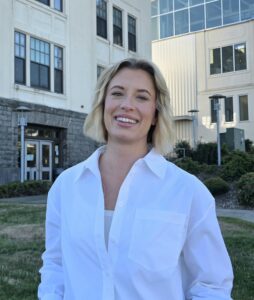
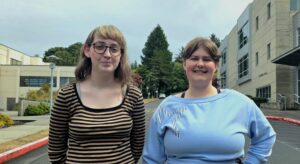
For Alejandro Serna, Abigail Cabezon and Tyler Lindstrom, summer at Clatsop Community College was more than spending time in a classroom. It was cutting sheet metal, installing vents, reading blueprints, earning safety credentials and working alongside experienced tradespeople at job sites throughout the region.
They were among the students who participated in CCC’s first Skilled Trades Foundations program, an intensive summer training opportunity centered on heating, ventilation and air conditioning systems while also introducing students to plumbing, electrical work, construction and other skilled-trades careers.
The program, funded by the Youth Development Division Job & Work Readiness Grant, was created to help people ages 16 to 24 explore the trades, develop practical skills and prepare to pursue employment or apprenticeship opportunities. Students completed approximately 80 hours of classroom and shop instruction, OSHA 10 safety training and, for those who continued into the work-based learning portion, approximately 80 hours with local trade partners.
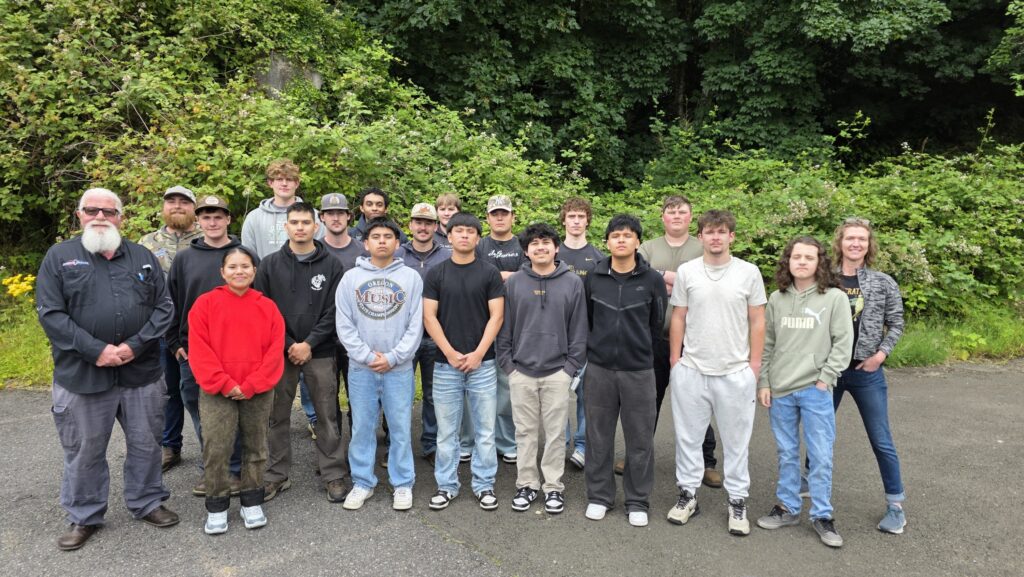
Of the 21 students who began the program, 19 completed the training, and 16 were placed with nine area businesses for paid internships or job-shadow experiences. Several emerged from the summer pursuing jobs or apprenticeships in the trades.
The program was designed to give students a realistic introduction to the expectations and opportunities of working in the trades. Students were expected to attend regularly, participate fully, work safely and approach each day with the professionalism required on a job site.
“Our goal was to take students who were completely green and make them a darker shade of green by the end,” said instructor Dan Nelson, owner of Diamond Heating and a trades professional with 47 years of experience. “I think we very much succeeded.
Nelson said the collaboration among CCC, students and local employers was unlike anything he had experienced during his career. “I have never seen such an alignment,” Nelson said. “The biggest surprise to me was the quality of these young people. I’m proud to be associated with them and this program.”
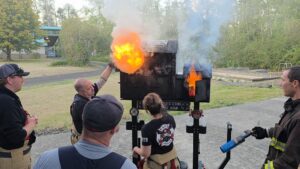
Students learned how HVAC and building systems work, practiced using hand and power tools and completed projects reflecting conditions they could encounter on a job site. They assembled ductwork, cut openings for vents in mock floors, worked with sheet metal and learned how plumbing, electrical systems and HVAC components must work together within a building.
They were paid a stipend for each phase of the program and also received starter tool kits and personal protective equipment that they can continue using as they pursue training and employment.
Serna, a 2024 Astoria High School graduate, learned about the program through a social media ad. He had considered becoming an electrician but was unsure how to enter the trades. The short-term, hands-on nature of CCC’s program gave him a place to begin.
“This was a great opportunity to get into a trade without going to school for years,” Serna said. “The class didn’t really feel like going to school. It was more like, ‘Let’s see what I learn today to use on the job.’”
During his internship with Diamond Heating, Serna worked with installation and service crews at homes and commercial properties across the region. He worked closely with trained service and installation technicians and helped with fireplace and heating-system maintenance, changed filters, cleaned equipment and assisted with installations and repairs.
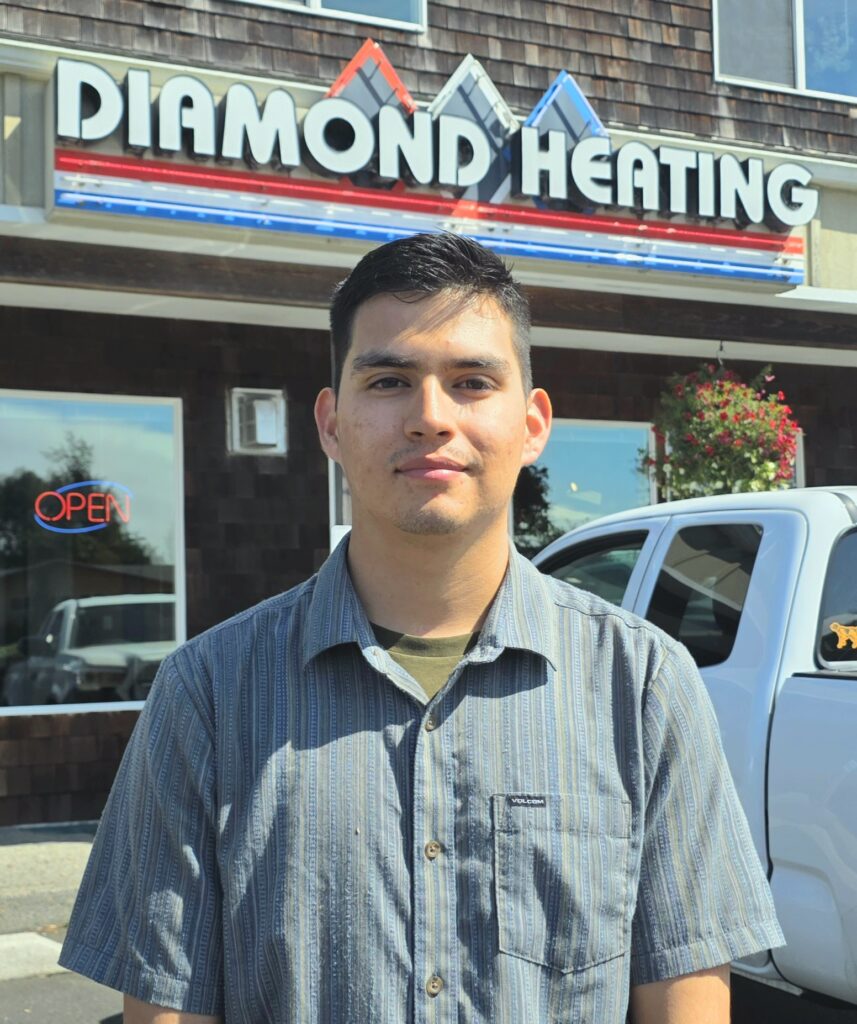
The experience showed him both the technical knowledge required in HVAC and the variety the work can offer. “There is so much going on behind the things we don’t usually think about,” Serna said. “We don’t think about everything it takes to make a room comfortable. I got to see all the effort and time that goes into those systems. There is so much to learn.”
Serna’s work ethic also made a strong impression at Diamond Heating. “He was interested, attentive and asked questions,” Nelson said. “Those are the kinds of things employers notice.”
Cabezon, a recent Jewell High School graduate, entered the program with an interest in the trades but no previous experience. She wanted to learn a practical skill that would remain valuable in a changing economy. She found some tasks challenging at first, including cutting thick sheet metal with hand tools. Instead of becoming discouraged, she kept working.
“It’s good to be a beginner at something and work through it,” Cabezon said. “By the end, it got a lot easier, and I felt really accomplished.”
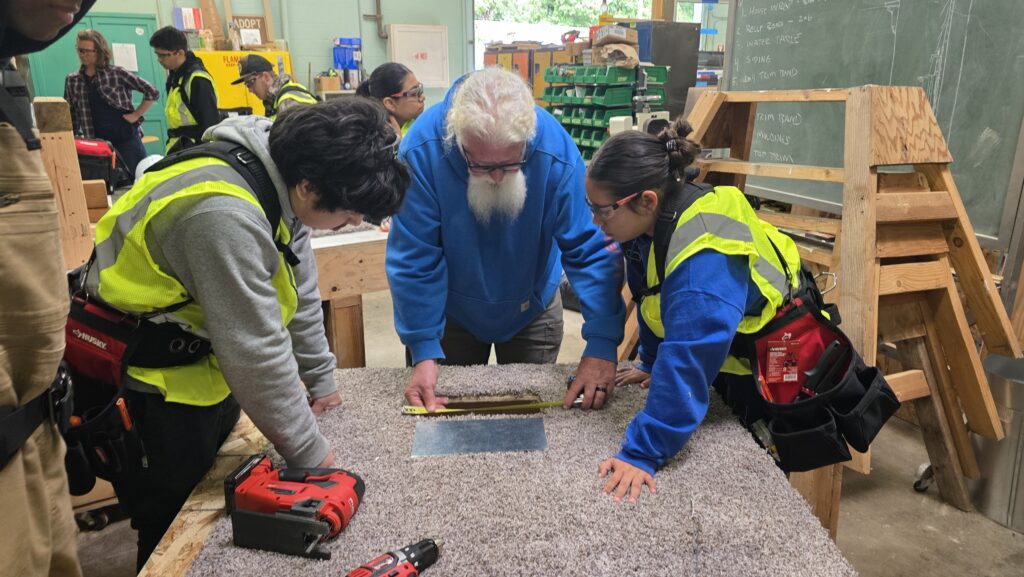
Cabezon completed her internship with plumbing company Diamonds by the River in Gearhart. Under the supervision of experienced tradespeople, she installed plumbing components, cut tubing, worked beneath houses and assisted with piping in renovations and new construction.
The experience confirmed that she wants to pursue the trades. She has since applied for CCC’s plumbing apprenticeship program.
“This was an awesome way to figure out what it is like to be in the trades,” Cabezon said. “I loved the hands-on work, and I thought, ‘This is what I want to do.’”
For Lindstrom, who already held a welding certificate, the program was an opportunity to explore another possible career. During his internship with P & L Johnson Mechanical, he gained experience in both service and construction. He helped repair an ice machine, a walk-in cooler and other refrigeration equipment before joining crews working on the Columbia River Maritime Museum project. “I really enjoyed it,” Lindstrom said. “It was a great eye-opener and showed me I want to pursue work in the trades.”
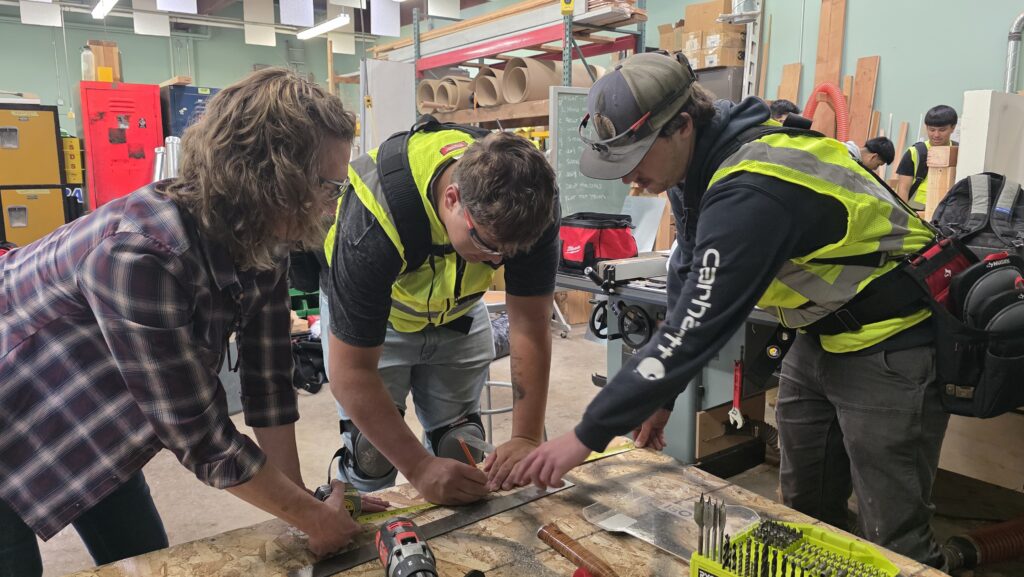
The students’ experiences reflect the program’s broader purpose: giving participants enough exposure to make informed career decisions while building skills that employers value. The program does not produce fully trained technicians in a matter of weeks or guarantee employment. Instead, it provides a foundation from which students can pursue jobs, apprenticeships or additional education.
Curriculum developer and co-instructor Sharon Raymor, PE, LEED AP, said the technical lessons were only one component. Students also practiced communication, teamwork, accountability, problem-solving and workplace professionalism. Each day began with a handshake—a simple exercise designed to reinforce confidence and the importance of a strong first impression.
“Employers can teach specific tools and technical skills,” Raymor said. “It is much harder to teach professionalism, communication, accountability and work ethic. We wanted students to arrive at their placements ready to learn, contribute, ask questions and work safely.”
Raymor said one of the most rewarding results was watching students become more willing to speak up, ask questions, take initiative and work through challenges. “I expected students to learn technical skills and gain exposure to career opportunities,” she said. “What impressed me most was the personal growth.” And that preparation was evident to participating businesses.
P & L Johnson Mechanical hosted four interns in the program. Service Manager Travis Weston said the students arrived engaged, prepared and eager to learn. Interns worked with both service and installation crews, gaining exposure to residential heating and cooling, commercial refrigeration and large construction projects.
“They’ve gotten their hands on tools, gotten their hands dirty and gotten into the work,” Weston said. “We’ve had really positive feedback from the technicians who worked with them.”
Weston said participating in the program also reflects a longstanding value at P & L Johnson Mechanical. “It’s been a good experience,” Weston said. “One of the things our company founder, Paul, is most proud of is bringing up young people from the community in this trade. This program is very much in the spirit of what Paul is proud of establishing through this business.”
Weston said businesses throughout the region face an ongoing challenge finding employees with specialized skills. P & L Johnson provides the North Coast with services ranging from residential heating and cooling to commercial refrigeration, boilers and industrial systems. That variety creates opportunity, but it also requires a workforce prepared to keep learning as technology changes.
“There is a small pool of people who want to live and work here and an even smaller group with a specific trade skill set,” Weston said. “We were excited to find out that something like this was happening locally.”
Nelson has seen the same workforce need throughout his career. “The trades are understaffed, and it has always been difficult to find the right people,” Nelson said.
The program’s benefits extend beyond individual students and employers. Skilled workers are needed to build and maintain homes, businesses and public infrastructure throughout Clatsop County. Creating pathways into those careers can help local residents find family-supporting work while helping area businesses develop the workforce they need.
“Programs like this help create local pathways into careers while building a pipeline of skilled workers who can live, work and serve the community they call home,” Raymor said. “Ultimately, we would like to see more opportunity, talent and economic growth stay right here in our community.”
By bringing students, instructors and local employers together, CCC’s first Skilled Trades Foundations program not only introduced participants to the trades, it gave them a practical starting point for building careers in the communities they call home.